What to do in the first ten minutes after a pipe bursts
Shut the water, cut the power near the leak and start the photos. A short plan that saves floors, ceilings and insurance claims.
A burst pipe can release more than 30 gallons of water an hour. What you do before the plumber arrives decides whether you replace a carpet or a ceiling.
1. Find the main stop valve
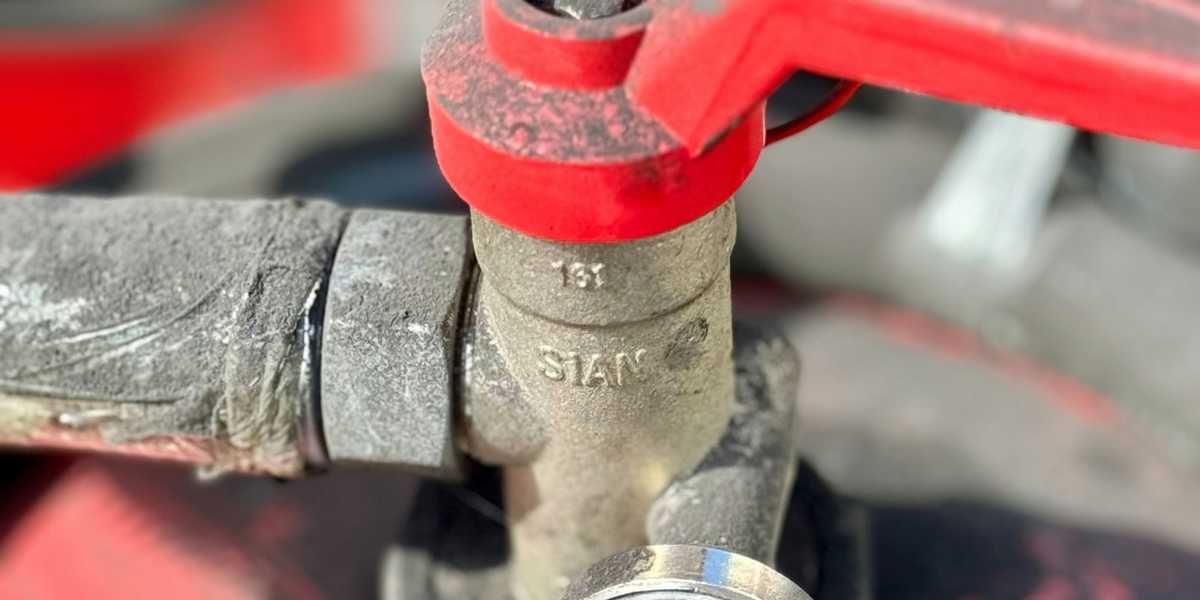
In most Denver homes it sits under the kitchen sink, in the basement where the water line comes through the wall, or in a box near the street. Turn it clockwise until it stops. Do this today, before you need it, so you know where it is.
2. Make the area safe
If water is near outlets, appliances or the electrical panel, switch off the power to that area at the breaker. Never stand in water to do it. If you are not sure, leave the room and call us.
3. Drain what is left
Open the cold taps on the lowest floor and flush the toilets. This empties the pipes and takes the pressure off the burst section.
4. Start the photos
Photograph the leak, the damage and anything wet before you move it. Insurers ask for these first, and they are hard to recreate later.
Most of the damage we see happens in the twenty minutes before someone finds the stop valve.
5. Call a plumber
We answer around the clock and arrive in 42 minutes on average. The repair is priced before we start, and you get advice on drying out and on the paperwork for your insurance claim.